Infectious healthcare waste management in France: health and environmental challenges
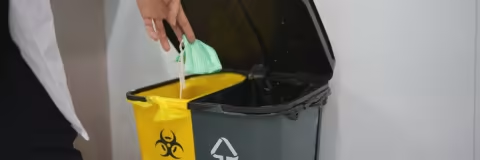
According to figures published by Cyclamed, healthcare facilities in France generate approximately 700,000 tonnes of waste every year, across all categories. Among this waste, healthcare waste presenting an infectious risk (DASRI) requires specific management because of the health risks it may pose to patients, healthcare professionals and the staff responsible for its collection and treatment.
Infectious healthcare waste treatment
In France, infectious healthcare waste is mainly directed towards two treatment routes: incineration and pre-treatment through disinfection. Although incineration remains widely used, it involves collection and transport operations to specialised facilities. Against the backdrop of efforts to reduce the environmental impact of healthcare activities, the treatment methods used for this waste are therefore receiving increasing attention.
Alternatives to incineration exist, including pre-treatment through disinfection directly at the point of generation. This approach reduces the infectious risk associated with waste before it is directed towards an appropriate disposal route, while also limiting the transport of untreated waste.
This is the principle behind Sterilwave systems, which combine shredding and microwave technology to treat infectious healthcare waste directly within healthcare facilities. Depending on the model, the process can also reduce waste volume by up to 85%.
The choice of treatment method depends on the volumes generated, the specific constraints of each facility and the applicable regulatory requirements. The development of available solutions is helping to diversify approaches to infectious healthcare waste management and support healthcare facilities in their efforts to control health and environmental risks.
Source
On the same subject

Technology
